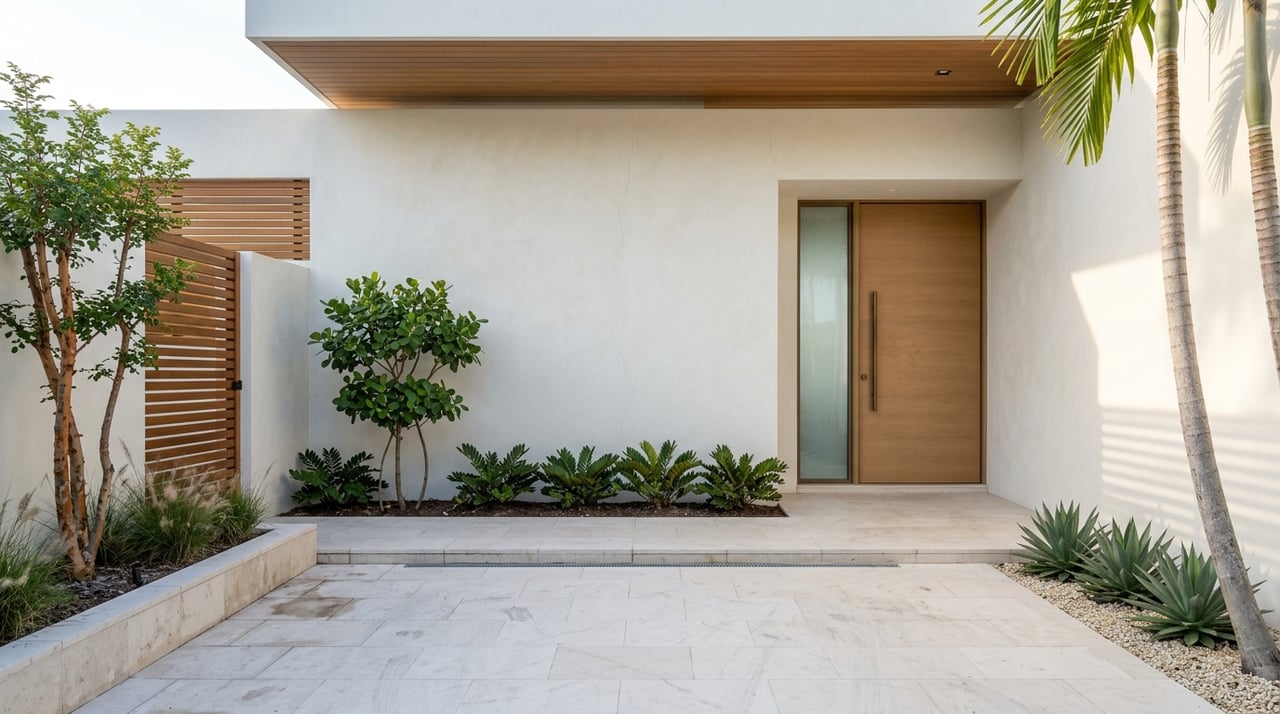
Selling In Little Harbour: Discreet Strategies For A Boutique Enclave
If you are selling in Little Harbour, you are not marketing to the widest possible crowd. You are speaking to a much smaller group of buyers who care about privacy, setting, and a polished coastal lifestyle. That changes how your home should be prepared, presented, and introduced to the market. Here is how to think about a discreet sale in one of Vero Beach’s most boutique coastal enclaves.
Little Harbour sits within Vero Beach’s coastal corridor near A1A, the Indian River Lagoon, and the Atlantic Ocean. Vero Beach itself is known for its 22.4-mile barrier-island setting, uncrowded beaches, boutique shopping, upscale dining, and cultural attractions such as Riverside Theatre and the Vero Beach Museum of Art.
Little Harbour is also a very small enclave, with about 17 luxury homes in a gated, HOA-managed setting. In a neighborhood this limited, your sale does not behave like a larger subdivision where constant turnover and broad buyer traffic set the pace. Each property tends to stand on its own based on lot position, privacy, water orientation, and presentation.
That is why a thoughtful, discreet strategy can make sense here. In a micro-market, the goal is often to reach the right buyers with the right message instead of creating noise.
A discreet sale does not mean a hidden or informal sale. It means being intentional about how much exposure your home gets, when it gets that exposure, and who sees it first.
Under current listing rules, sellers may have options such as an office exclusive listing or a delayed marketing exempt listing. An office exclusive is not publicly marketed, while a delayed marketing option can postpone broader online exposure for a period set by the local MLS. In either case, sellers must sign a disclosure acknowledging that they are delaying or waiving some public-marketing benefits.
For many luxury sellers, that tradeoff can be worth it. If your priority is privacy, limited showings, timing around repairs, or control over how your home is introduced, a quiet launch may fit your goals.
A quieter approach is usually strongest when your personal priorities matter as much as the final sales price. This often happens when a property is occupied, when travel schedules make showings difficult, or when you want to refine positioning before a wider release.
In Little Harbour, a quiet launch may make sense if you want to:
This approach is not right for every seller. Broad exposure can still be valuable, especially because buyer behavior today is strongly tied to online search and agent outreach.
Even in a boutique enclave, buyers do not appear by magic. National buyer data shows that 88% of buyers used a real estate agent or broker as an information source, 72% used mobile or tablet search devices, 50% used open houses, and 38% used online video sites.
When buyers found the home they purchased, the internet led at 52%, followed by real estate agents at 28%. Only 3% found the home directly from a seller they already knew.
That matters if you are debating a fully private sale. A discreet start can be smart, but if your home later goes public, the MLS is still the backbone of broad exposure. Among sellers who used an agent, the MLS website was the most common marketing channel at 85%.
In a neighborhood like Little Harbour, the likely buyer pool is narrower and more targeted than in a typical resale market. You are often looking for someone who already understands the appeal of Vero Beach’s barrier-island lifestyle and values a low-density, coastal setting.
The most responsive audience is likely to include:
That is why presentation matters so much. If you keep the launch private at first, the marketing has to work harder through curated broker outreach, polished visuals, and a clear story about what makes your property hard to replace.
In Little Harbour, your home is not just another listing. It is part of a very small supply of homes in a gated coastal enclave near the beach and lagoon. The strongest marketing angle is usually scarcity paired with lifestyle.
Your presentation should highlight the features that buyers cannot easily duplicate. Depending on the property, that may include private street presence, water orientation, outdoor living, architectural lines, beach proximity, or the sense of separation that comes with a low-density setting.
Instead of overloading buyers with generic luxury language, focus on specifics. In a boutique enclave, buyers respond to what feels rare, functional, and hard to find again.
In a coastal sale, paperwork can shape confidence just as much as photography or staging. Indian River County notes that local flood risk can come from heavy rainfall, tidal surge, tropical storms, and hurricanes, and the county provides flood resources such as flood maps, elevation certificates, and property-level flood information.
Before your home goes live, it is smart to organize documents that answer the first serious questions a buyer will ask. A well-prepared file can help a discreet sale move more smoothly because qualified buyers and their agents can evaluate the property with fewer delays.
Useful items to gather may include:
This does not just help with due diligence. It also signals that the property has been carefully managed.
One of the biggest misconceptions about off-market or quiet sales is that less visibility means fewer rules. That is not the case.
Florida law still requires disclosure of known facts that materially affect the value of the property and are not readily observable. Florida’s transaction broker framework also includes limited confidentiality unless waived in writing, including not disclosing a seller’s motivation or acceptable price.
So if you want a discreet sale, the right mindset is simple: narrower distribution, full compliance. Privacy can be protected, but material disclosure obligations still remain.
For many sellers, the best strategy is not choosing between fully private and fully public on day one. It is building a phased plan.
A phased approach may look like this:
This kind of structure protects your options. It allows you to lead with discretion while preserving the ability to widen the audience if the market calls for it.
Selling in Little Harbour is rarely about volume. It is about judgment. You need to know when privacy helps, when it limits you, and how to present a coastal home so buyers immediately understand its value.
That is especially true in Vero Beach’s barrier-island market, where neighborhood dynamics, waterfront considerations, and buyer expectations can vary from one enclave to the next. A calm, strategic process tends to produce better decisions than a rushed push for attention.
If you are considering a sale in Little Harbour, the best first step is to clarify your priorities. Once you know whether privacy, timing, price optimization, or ease of process matters most, the right launch strategy becomes much clearer.
If you are thinking about selling in Little Harbour and want a polished, discreet plan tailored to your property, connect with Kristin Dobson for thoughtful guidance grounded in Vero Beach’s luxury coastal market.
The season you sell your home can have an impact on how much you get.

As a buyer you would like to think if you are paying higher rates on your mortgage.

It is easy to become overwhelmed when you enter the home buying market.
Potential homebuyers are always cautioned to be aware.
Explore the best aspects of Vero Beach ahead of your exciting move.
Making sense of the statistics behind Vero Beach’s real estate market.
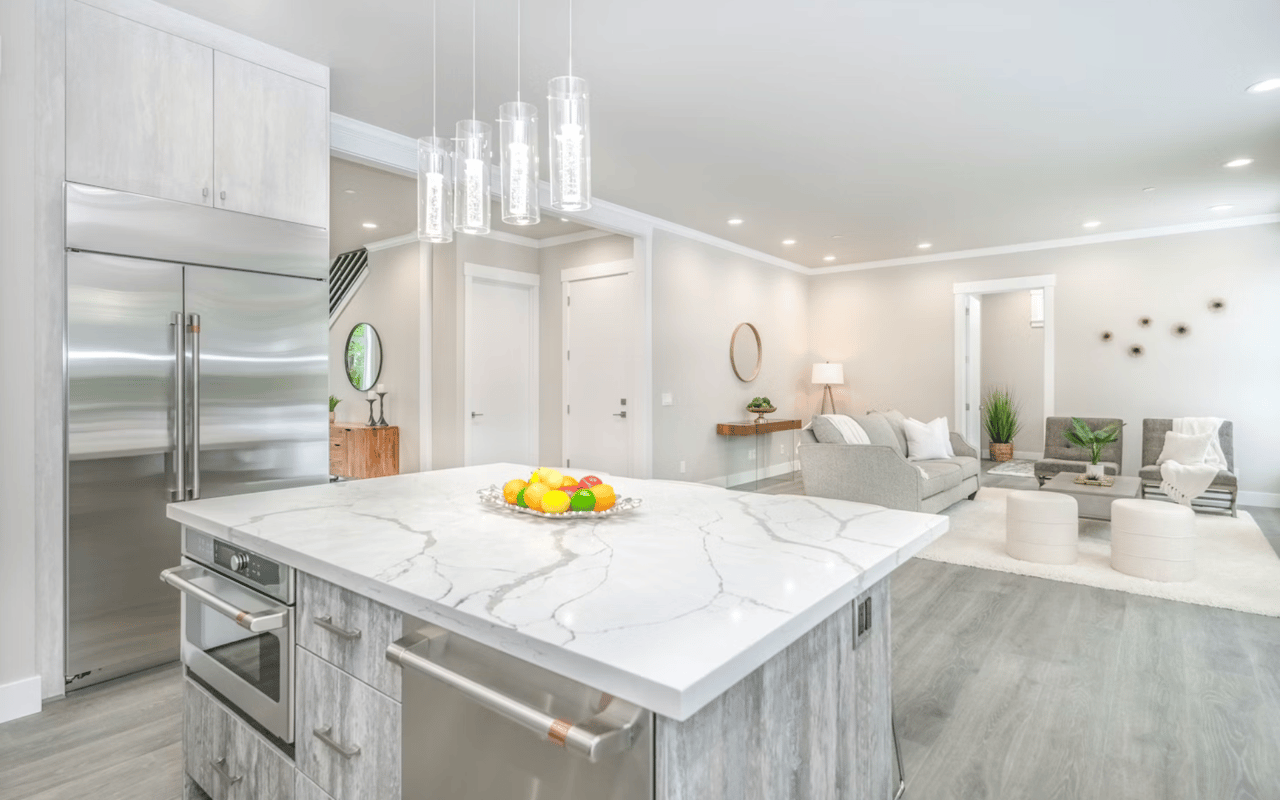
Ways to uplevel your home’s interior before it hits the market.

Hit the beach or explore Vero Beach’s cultural points of interest.

Vero Beach lays claim to captivating wildlife, art, and history.
Work with Kristin Dobson, Florida’s leading luxury real estate expert. With $2 billion in career sales and insider access to exclusive listings, Kristin delivers results with discretion and integrity. Let’s make your next move effortless—contact Kristin today!
Get In Touch With Kristin To Learn More
1401 Jimmy Buffett Mem Hwy #100 Vero Beach FL 32963