Maintaining a primary or secondary residence in Florida involves evaluating the specific structural and social rhythms of each coastal town. Vero Beach occupies a unique niche on the Treasure Coast, intentionally distancing itself from the high-density development patterns seen in its southern and northern neighbors. While nearby cities such as Melbourne, Port St. Lucie, and Jupiter share the same Atlantic coastline, the municipal philosophies and architectural standards of Vero Beach create a distinct living environment.
This guide compares Vero Beach to its neighboring areas across several professional and logistical dimensions.
Building Height and Architectural Density
Building height restrictions serve as the most visible differentiator when comparing Vero Beach to cities like West Palm Beach or even parts of Melbourne. The City of Vero Beach enforces a strict four-story height limit on the barrier island and across much of the mainland. This ordinance prevents the creation of a "concrete canyon" effect along the shoreline. In contrast, West Palm Beach and Jupiter feature numerous high-rise condominiums and commercial towers that dominate the skyline.
The low-profile skyline of Vero Beach preserves the visual connection to the horizon, ensuring that massive structures do not obstruct the ocean breeze. This commitment to low density maintains a residential character that feels significantly more open than the urbanized coastal strips further south.
Downtown Development and Master Planning
Its historical preservation and pedestrian-scale layout characterize the downtown core of Vero Beach. The city utilizes a Master Plan that prioritizes small-scale boutique retail and local art galleries over large shopping malls. Fort Pierce, located just to the south, has undergone recent waterfront redevelopment to create "Marina Square," which leans more toward industrial maritime use and large-scale public event spaces.
Port St. Lucie lacks a traditional historic downtown; instead, it consists of suburban residential pockets and centralized retail power centers. Vero Beach is divided into three distinct districts: the downtown "Twin District," Oceanside, and Royal Palm Pointe.
Navigating the Indian River Lagoon and Maritime Access
Maritime infrastructure in Vero Beach is designed primarily for recreational boating and environmental observation. The Indian River Lagoon is at its widest point here, providing expansive views and a buffered distance between the mainland and the barrier island. Melbourne and Palm Bay to the north feature narrower segments of the lagoon, often resulting in higher concentrations of boat traffic in specific channels.
Vero Beach lacks a deep-water commercial port, which distinguishes it from Fort Pierce. The Port of Fort Pierce is a hub for mega-yacht repair and industrial shipping. Residents of Vero Beach enjoy a quieter waterway that is shared with manatees and dolphins rather than large-scale industrial vessels.
Beach Access and Coastal Management
Beach access in Vero Beach is managed to prevent the overcrowding seen in the Space Coast or Palm Beach County. The city offers approximately 26 miles of public beach access, much of which features free parking — a rarity in cities like Jupiter or Delray Beach, where paid street parking and crowded lots are the standard.
Jupiter and West Palm Beach have significantly more developed beachfronts where private clubs and high-rise hotels often occupy the primary dunes. Vero Beach maintains a "sunrises, not high-rises" policy, ensuring the beach remains a natural, low-impact environment. The vegetation along the dunes is heavily protected to preserve the structural integrity of the shoreline against seasonal erosion.
Transportation Infrastructure and Traffic Patterns
Traffic flow in Vero Beach is managed through a grid system that lacks the heavy congestion of US-1 and I-95 in the South Florida metros. While Melbourne and Port St. Lucie have seen massive population surges that have strained local road capacity, Vero Beach has maintained a moderate commute time of approximately 18 minutes.
The city does not have the "built-up" highway infrastructure of West Palm Beach, where multiple interchanges and six-lane roads are common. The recent addition of the Oslo Road interchange on I-95 is designed to move traffic away from residential cores, a strategy that preserves the quietude of the central neighborhoods.
Aviation and Private Travel Logistics
Vero Beach Regional Airport operates as a specialized hub for private aviation and light aircraft manufacturing, serving as the world headquarters for Piper Aircraft. This differs from the Palm Beach International Airport (PBI), which handles massive commercial volumes and long security lines.
The regional airport in Vero Beach allows for efficient private arrivals and departures, making it a preferred choice for frequent travelers who value time and privacy. While Melbourne Orlando International Airport (MLB) has expanded to include international flights, Vero Beach remains focused on general aviation and a small-scale commercial experience that bypasses the terminal mazes of larger metropolitan airports.
Biodiversity and Environmental Stewardship
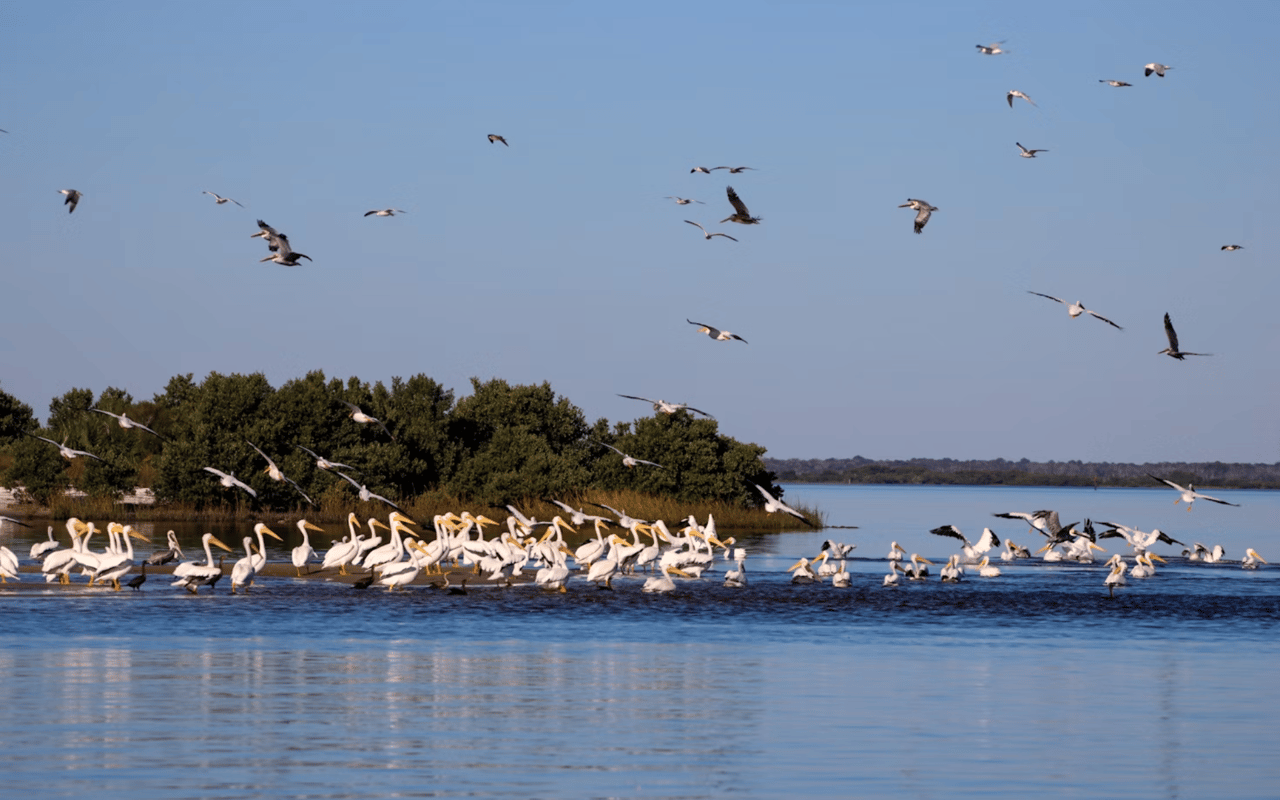
Environmental stewardship in Vero Beach is rooted in the legacy of the Pelican Island National Wildlife Refuge, the first of its kind in the United States. While Stuart and Jupiter also emphasize conservation, Vero Beach is uniquely positioned at a climatic transition zone known as the "Gateway to the Tropics."
This zone results in a higher diversity of plant species than in Melbourne, as tropical flora, such as the royal palm, begins to thrive here. The city’s commitment to land preservation is evident in the numerous lagoon-side parks and protected hammocks that have been spared from the residential "creep" seen in Port St. Lucie. This creates a "green" buffer that is more prevalent here than in most other Florida coastal cities.
Is Vero Beach the Right Fit?
Whether you are seeking a historic estate in Riomar or a modern oceanfront sanctuary,
Kristin Dobson provides the professional advocacy and strategic resources necessary to achieve a successful outcome. Kristin’s transparency and deep understanding of local history ensure that her clients are fully informed at every stage of their real estate journey.
Team up with Kristin Dobson to secure a residence that perfectly reflects the unique and storied character of the Treasure Coast.